Our Trustees
The NWT has twelve trustees and a co-opted Treasurer, representing a wide range of interests and offering a breadth of experience and expertise. The Trust patron is internationally renowned biologist Ruud Kleinpaste. A part-time Executive Officer manages the NWT, supported by volunteers.

Melanie Dixon Chair
Melanie is an Auckland-based consultant ecologist who provides wetland management advice to private landowners, community groups and local government. Between 2000 and 2006 Melanie was Greater Wellington’s wetland advocate and helped organise the first National Wetland Restoration Symposium, in Wellington in 2004.
Melanie is keen to see that the Trust continues to facilitate a relationship between wetland managers (including local authorities, mana whenua, community groups and private landowners) and the nation’s wetland scientists

Don Scarlet Deputy Chair
Don is Mercury’s Key Relationships Manager, and has held several practical environmental management roles in the Waikato region. These have included senior consents and policy roles at Environment Waikato / Waikato Regional Council before becoming Project Manager of Mighty River Power’s project to renew the resource consents for the Waikato Hydro System.
Since then his work has extended into his present relationships champion role.
Don is an active member of a number of community environmental interest groups and has acted as an environmental advocate and chair of action groups in his home community. Don is a Trustee of the Waikato Catchment Ecological Enhancement Trust, Co-chair of Maungatautari Ecological Enhancement Trust, Advisory Trustee for Waikato River Care and is a director of Hamilton Waikato Tourism.

Jason Butt Symposium Chair
Jason’s background is in ecological restoration projects through the provision of planning, advice and implementation, including restoration plantings and ecological weed control work.
He has worked throughout Canterbury on numerous projects and habitat types, from wetland through to dryland ecosystems, providing wetland and riparian restoration services to Canterbury Regional Council, Canterbury Waste Services, Christchurch City Council and Ngai Tahu.
Travis Wetland, Horseshoe Lake, Tutaepatu Lagoon and Te Waihora/Ellesmere are a few of the projects he has been involved with over the last seven years.
Jason is a keen amateur botanist and the president of the Canterbury Botanical Society, both of which also lure him to wetlands in his free time too.

David LawrieTreasurer
David is Principal in a Land Surveying and Land Development Consultancy in Pukekohe. He holds a diploma in Town Planning and is a member of both the Survey and Planning Institutes.
He has been actively involved in conservation organisations for a number of years with his main passion and hobby being ornithology. This is reflected in his involvement in the NWT, New Zealand Fish and Game Council, Auckland Waikato Council, Auckland/Waikato Fish and Game Council, Miranda Naturalist Trust since 1975, Ornithological Society South Auckland Region, Waikato Conservation Board, and the New Zealand Game Bird Habitat Trust. David co founded the NWT in 1999 with Gordon Stephenson.
Judy van Rossem
Secretary
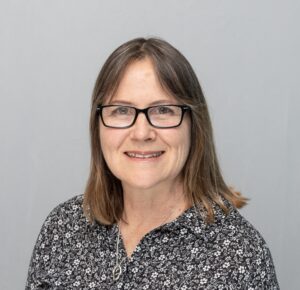
Judy is a long-time employee of the Waikato Regional Council working in many areas including as an Environmental Scientist, establishing and managing the council’s Environmental Education Programme and leading the Resource Use Group. In her current role as Project Manager Biodiversity & Funding, Judy manages WRC’s Natural Heritage Partnership Programme. With an extensive background in environmental education/science, Judy’s particular interest is in securing collaborative partnerships to grow and sustain community restoration efforts in improving NZ’s biodiversity. Outside of Council, Judy is Deputy Chair of the Waikato Catchment Ecological Enhancement Trust and is a past National Executive Member of the Royal Forest & Bird Protection Society and NZ Association for Environmental Education. She has served on central government advisory panels for environmental education and biodiversity funding, and is a past recipient of the Dame Catherine Tizard Award for Women in Local Government.

Brett Stansfield
Bill is of Ngāti Apakura, Ngāti Maniapoto and Pare Te Kawa descent, and representative of mana whenua for Rotopiko. He is presently employed full time by the New Zealand Post Primary Teachers’ Association, Te Wehengarua the union for Secondary School Teachers in their Hamilton office. He has worked for the Association in a Union capacity for over 23 years, and prior to this was an organiser for the Public Service Association (PSA) for 8 years and a psychiatric nurse at Tokanui for 7 years .In his union work he has grown a practical understanding of governance policy and procedures. He also has an innate knowledge of the Local Government Act as this also applies in schools and a working understanding of Employment Law, the role of Corporate responsibility, financial reporting and budgets. He is also an NZQA recognised Health and Safety Trainer. In recent times he has been an active participant in the Tiriti O Waitangi Tribunal Hearings and Treaty Settlement space. He is Chairperson of Te Ngaati Apakura Runanga Trust that among other things provides Cultural advice and monitoring to the Waipa District Council and developers. He also represents the Apakura Runanga on Nga Iwi Toopu o Waipa and at the Iwi Consultative Hui.
Dr Beverley Clarkson
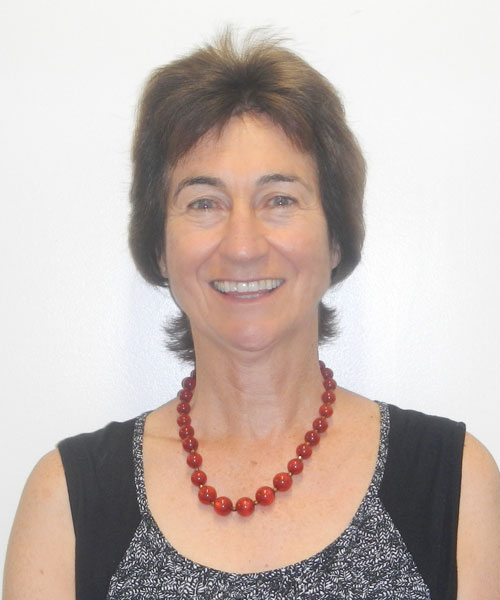
Bev is a wetland plant ecologist and Research Associate at Manaaki Whenua – Landcare Research, Hamilton. She formerly led a government-funded research project on functioning and restoration of New Zealand wetlands.
Her expertise is in the functioning and restoration of peatlands, wetland monitoring, and wetland delineation. Bev has been a member of the Waikato Conservation Board and is currently a member of the International Mire Conservation Group, Society for Ecological Restoration, as well as the National Wetland Trust

Lisa Forester
Lisa currently manages the Biodiversity Department at the Northland Regional Council. With a background in botany and ecological
restoration she has lived and worked in Te Tai Tokerau for nearly 40 years undertaking restoration and monitoring projects in many
different ecosystems including wetlands and lakes and working with community, mana whenua, agencies and landowners. She has a
passion for Northland’s amazing dune lakes and has been lucky enough to dive in more than 100 over the last 20 years. Some of the
work she finds most productive and rewarding involves partnerships with Māori around wetland and freshwater restoration projects.
Lisa has assisted with developing and updating plant lists for the national wetland delineation protocol and enjoys weekend time out on
botanical walks.
Vijesh Chandra
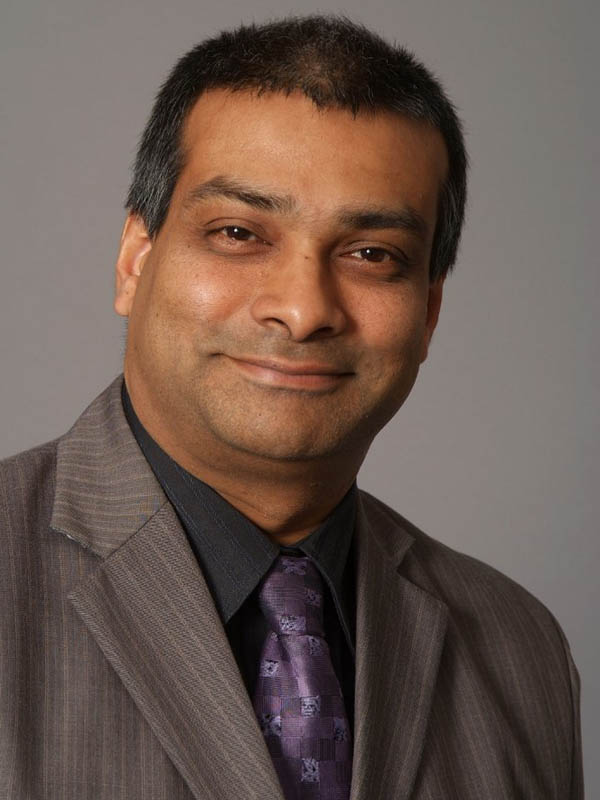
Vijesh is a charted professional civil engineer with 32 years of experience in NZ local government infrastructure management and is currently a Principal at GHD. He works at a strategic level with local and regional government exploring and developing integrated planning solutions to manage the effects of stormwater run-off on people, property and the receiving environment.
He has recently completed a 3 year period on the Board of Water New Zealand. He has played a key role in winning national and international awards including the International Water Association project innovation award 2012 for managing road stormwater contaminants, IPENZ Arthur Mead award for the environment and sustainability 2011 and the New Zealand Engineering Excellence award for Environmental Practice 2012.
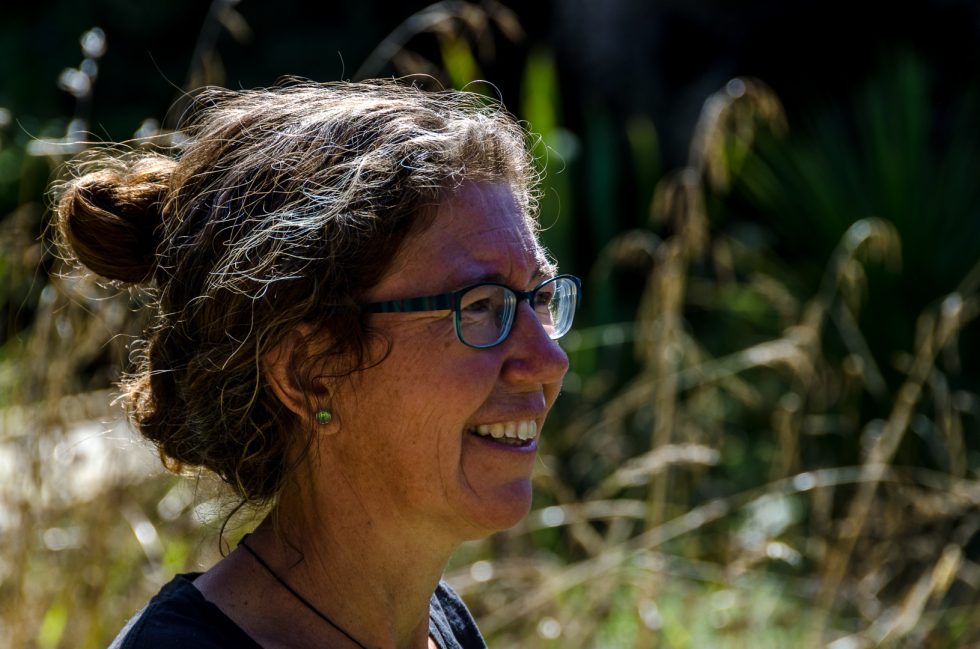
Annalilly van den Broeke
From project managing a national museum in The Netherlands to wetland conservation in New Zealand – it’s more similar than you’d think. Annalily joined the trust as secretary in 2016 to help raise funds for the purchase of Matuku Link. She kept fundraising as a volunteer until she wrote herself into a job in 2021, thanks to covid, coordinating the Jobs4Nature team who built the boardwalks. These days she is managing the many projects the volunteers carry out – from pest control and monitoring to planting and guided tours.
She’s always looking for more ways to get people to engage with the environment, especially with the te Henga wetland. She has been on the Forest and Bird Waitakere committee since 2012, in the role of chairperson since 2015. Her other roles are as a founding trustee of EcoNet and on the Ark in the Park management committee.
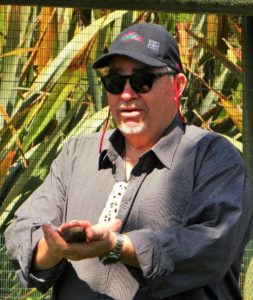
Bill Harris
Bill is of Ngāti Apakura, Ngāti Maniapoto and Pare Te Kawa descent, and representative of mana whenua for Rotopiko. He is presently employed full time by the New Zealand Post Primary Teachers’ Association, Te Wehengarua the union for Secondary School Teachers in their Hamilton office. He has worked for the Association in a Union capacity for over 23 years, and prior to this was an organiser for the Public Service Association (PSA) for 8 years and a psychiatric nurse at Tokanui for 7 years .In his union work he has grown a practical understanding of governance policy and procedures. He also has an innate knowledge of the Local Government Act as this also applies in schools and a working understanding of Employment Law, the role of Corporate responsibility, financial reporting and budgets. He is also an NZQA recognised Health and Safety Trainer. In recent times he has been an active participant in the Tiriti O Waitangi Tribunal Hearings and Treaty Settlement space. He is Chairperson of Te Ngaati Apakura Runanga Trust that among other things provides Cultural advice and monitoring to the Waipa District Council and developers. He also represents the Apakura Runanga on Nga Iwi Toopu o Waipa and at the Iwi Consultative Hui.
Finn Michalak
Finn lives on the Kāpiti Coast and works all over the Wellington Region as a wetland ecologist for Greater Wellington Regional Council (Monitoring Land Ecosystems and Air). His background is in horticulture and working with plants is his speciality. Finn spent 12 years working at Ōtari Wiltons Bush Native Botanic Garden maintaining the extensive collection of native plants, training as a field botanist, working on various threatened plant recovery plans and getting to see many of the botanical gems around the country. After Ōtari he managed a local native plant nursery for Ātiawa ki Whakarongotai Charitable Trust (Jobs for Nature) before finding this fantastic role within GWRC.
Finn loves getting into the diverse, beautiful wetlands throughout the region and experiencing the dynamic nature of these habitats. There are also some very interesting wetland restorations happening throughout the Wellington Region, and it’s a great to be in a role that gets to see them develop.
Matt Todd
Matt is a Senior Ecologist at Stantec, currently based in Hamilton, with a specialty interest in the botany of wetlands and coastal habitats. Previous roles include positions with the Department of Conservation and Wildlands Consultants, as well as freelance consultancy. During his career, he has worked across the country in a range of habitats and project types, including Wairarapa Moana habitat assessments, estuarine and rivermouth surveys across the lower North Island (including the Ramsar listed Manawatu estuary), and restoration work in degraded habitats, as well as wetland assessments for infrastructure projects. On top of this, he’s always had a keen personal interest in alpine wetland ecosystems such as tarns and kettle-hole bogs, developed during student days in the Canterbury mountains. Recent work has taken him even further around the country, from urban wetlands in Tauranga to coastal bogs in Bluff, and has developed a fine appreciation for the role that the boundary of the coastal marine area plays in the status of a wetland, according to the criteria of the NES-Freshwater!